

There is so much to say about why the BBC as an organisation consistently gets in such a mess with crisis management it’s difficult to know where to start.
However, at its heart is a failure to understand the narrative arc of a crisis. It should have learned the lesson from the Huw Edwards scandal where it’s tight-lipped approach led to days and weeks of damaging speculation before it was confirmed that the News at Ten anchor was, indeed, the presenter in question.
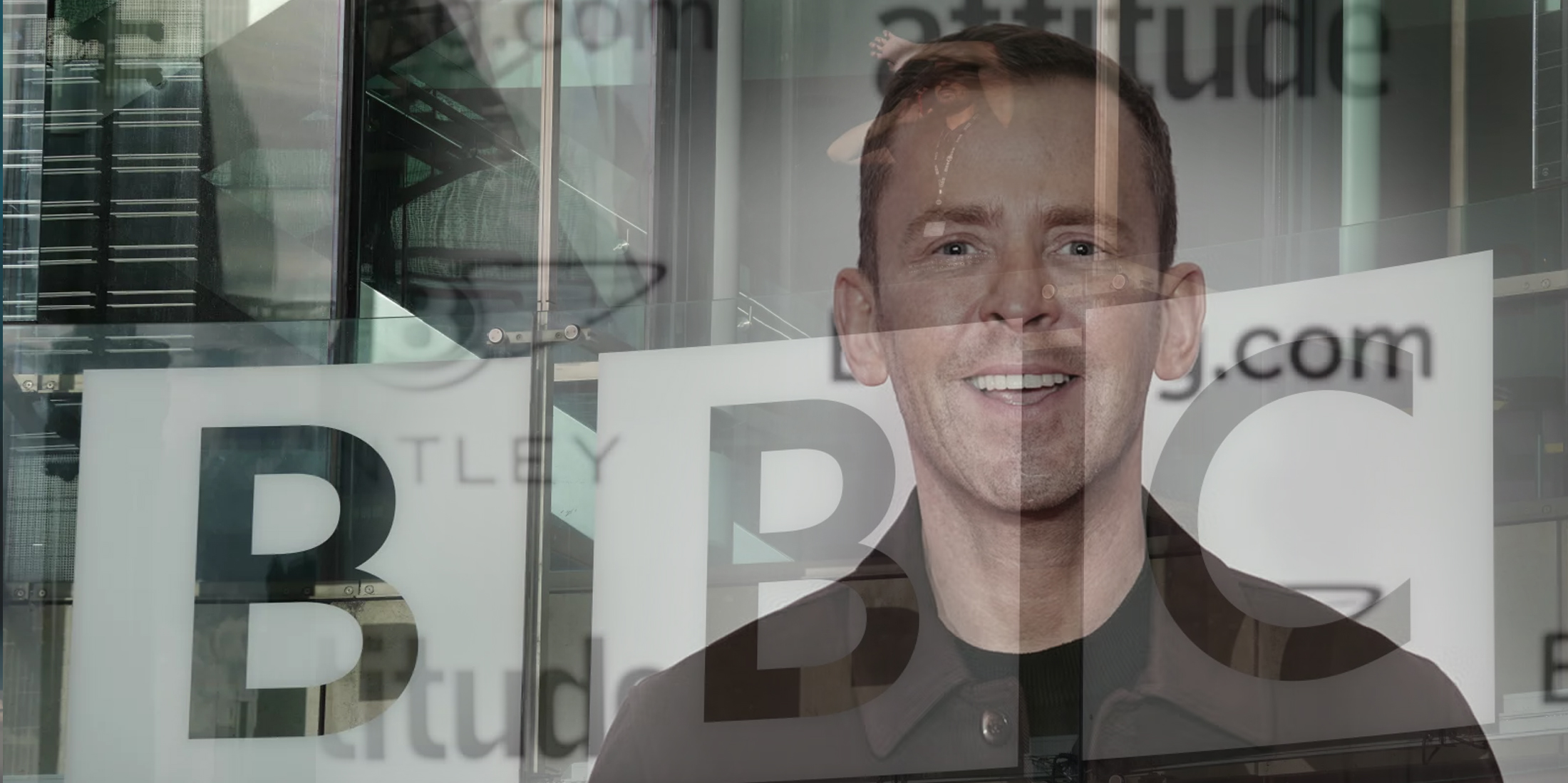
With Scott Mills it may have thought it was countering previous criticism of foot-dragging before reaching a decision by acting at speed. But it’s brief announcement of just a few lines, mention of ‘personal conduct’ and no further comment was never going to satisfy a public sated on ‘celebrity’ news nor on a media, not all of whom are fans of ‘Auntie.’
Saying ‘no further comment’ to journalists has the same effect as a Government minister telling the public ‘not to panic’ – ie it triggers exactly the opposite response.
‘No comment’ doesn’t mean ‘no story.’ If the organisation at the core of the crisis puts out statements that only prompt more questions than it gives explanations, then any journalist worth the name will go to other sources who may be more than happy to talk. Result – the facts of the case are slowly dragged out so that, eventually, the organisation, in this case the BBC, is forced to respond to each new allegation with each successive statement merely addressing the latest development.
It makes the BBC look inept, defensive and less than transparent, all of which damage public trust, a vital asset for a publicly funded body.
It also creates tricky situations for BBC News as it seeks to cover a story about its own bosses. Not everyone appreciates or accepts it’s stance as being independent of the Corporation and free to question, investigate and report on matters involving it, even if critical.
When dealing with crisis communications it’s vital to understand where the story is going, not just today and tomorrow but in the weeks and months ahead. That way, future questions can be anticipated and addressed before they are asked, enabling you to get ahead of the story.
The BBC will clearly be bound by legal advice and its duty of care to employees but in an era of rolling news and endless social media speculation, these excuses won’t wash.
The organisation has access to expert journalistic and communications advice, both internally and from external consultants, so there must be other reasons why it gets it so wrong, so often. It may be that management do indeed get the appropriate advice but don’t take it, whether out of fear, nervousness or worries about legal action resulting in financial damages. If that’s the case, communications needs a more persuasive voice at the top table because these repeated failures of crisis management make the BBC look weak and give ammunition to its critics.
And that goes for any organisation dealing with a crisis. Listen to those who know how the story will play out in the real world and not just in then rarified air of the Boardroom.